Leaders in AI: Designing and Building with Artificial Intelligence
On May 29, 2025, I joined a distinguished panel at BrainStation's Leaders in AI event to discuss the practical realities of designing and building with artificial intelligence. Alongside Raviteja Yelamanchili from Amazon, Njeri Grevious from Microsoft, and Katelyn Rothney from Microsoft Azure, we explored the challenges and opportunities of bringing AI products from prototype to production at scale.
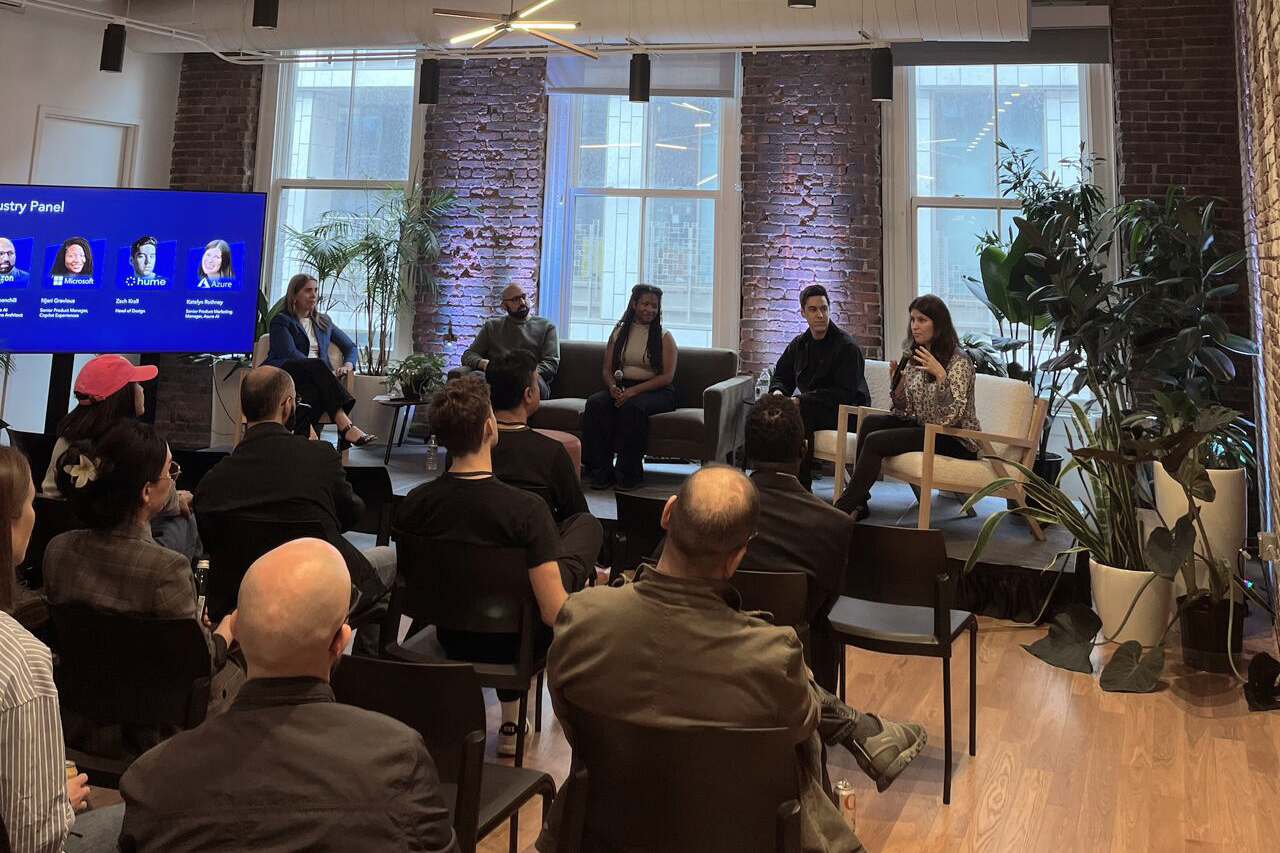
The panel addressed one of the most critical challenges facing AI product teams today: turning promising prototypes into scalable, user-focused products. We discussed how the gap between a compelling demo and a production-ready system is often far wider than teams anticipate, requiring careful attention to infrastructure constraints, stakeholder alignment, and real-world performance considerations. The conversation emphasized that technical sophistication alone is insufficient—successful AI products require deep understanding of user needs and sustainable implementation strategies.
A central theme of our discussion was the importance of cross-functional collaboration in AI product development. Building effective AI systems requires close coordination between design, engineering, and data science teams, each bringing essential perspectives to the table. We explored how to create shared language and inclusive decision-making processes that ensure all voices contribute to the product's direction. This collaborative approach is particularly crucial in AI, where the boundaries between technical capability and user experience are deeply intertwined.
The panel also tackled the challenge of measuring real-world impact and moving beyond the novelty factor that often characterizes early AI products. We discussed the importance of grounding AI solutions in actual user problems rather than pursuing technological innovation for its own sake. This means developing rigorous frameworks for evaluating whether AI features genuinely improve user outcomes and being willing to remove or redesign capabilities that don't meet these standards, even if they demonstrate impressive technical achievements.
As the Head of Design at Hume AI, I shared insights from our work on empathic AI systems and the unique design challenges that emerge when building products that respond to human emotional expression. The evening's conversation, complemented by gourmet refreshments and networking opportunities, reinforced the collaborative spirit needed to navigate the complex landscape of AI product development. The diverse perspectives from Amazon, Microsoft, and Hume AI created a rich dialogue about the future of AI-driven experiences.